Nashville Housing & Neighborhood Guide
Find Your Place Around Nashville
Nashville is more than downtown, Broadway, and a handful of well-known neighborhoods. Where you live affects your commute, housing costs, schools, daily routine, and how quickly the city begins to feel like home.
Homes Around Nashville helps renters, buyers, families, and people relocating to Middle Tennessee understand their options before making a decision.
No generic neighborhood rankings. Just practical information about Nashville housing, communities, costs, and everyday life.

Find the Right Part of Nashville
Every Nashville neighborhood offers a different tradeoff. Some people want to walk to restaurants and entertainment. Others need more space, easier parking, a shorter commute, or access to suburban schools. Our neighborhood guides explain the differences in plain English.
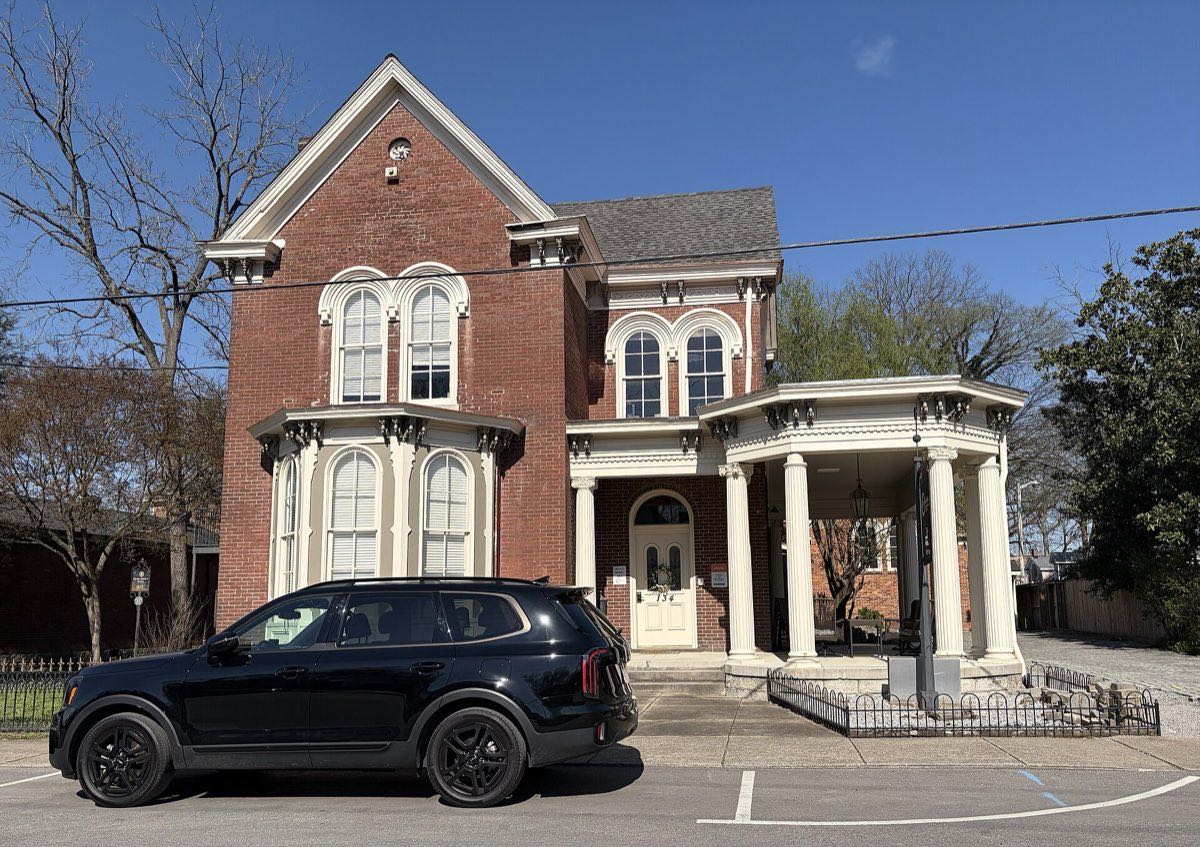
Downtown & The Gulch
High-rise living within walking distance of restaurants, music venues, and offices — at Nashville's highest housing costs.
Best for: Walkability and nightlife over space and quiet
East Nashville
Historic homes, local restaurants, and a strong neighborhood identity across the river from downtown.
Best for: Character, local business, and an easy downtown commute
South Nashville & Nolensville Pike
One of Nashville's more affordable areas, with international grocery stores, restaurants, clinics, and everyday services along the corridor.
Best for: Affordability, international food and groceries, and value
Donelson & Hermitage
Established residential neighborhoods near the airport with mid-century homes, greenways, and a shorter list of tradeoffs than most areas.
Best for: Airport access, value, and a quieter residential feel
Bellevue & West Nashville
Suburban space, established subdivisions, and quick access to the Harpeth River and Percy Warner Park on the city's west side.
Best for: Green space, suburban room, and staying inside Davidson County
Franklin & Brentwood
Williamson County's best-known suburbs: sought-after public schools, a historic downtown, and some of the metro's highest home prices.
Best for: Schools, suburban amenities, and long-term family plans
Nolensville
A fast-growing small town between Nashville and Franklin, popular with families buying new construction.
Best for: New construction and Williamson County schools at a relative value
Mount Juliet
Wilson County's boom town: newer homes, big-box convenience, lake access, and a commuter rail line into downtown.
Best for: Newer suburban homes east of the city and lake access
Are You Renting or Buying?
Renting in Nashville
Understand rent, deposits, application requirements, neighborhoods, and the actual cost of moving into an apartment.
MyApartmentNashville.com is operated by the same publisher as Homes Around Nashville and promotes leasing at an apartment community on Nolensville Pike.
Buying Around Nashville
Learn how home prices, property types, commutes, taxes, and location change across Davidson County and the surrounding suburbs.
Moving to Nashville
Moving to Nashville involves more than choosing a ZIP code. Before signing a lease or buying a house, compare housing costs, commute time, parking, schools, childcare, groceries, healthcare, walkability, airport access, utilities, and move-in expenses.
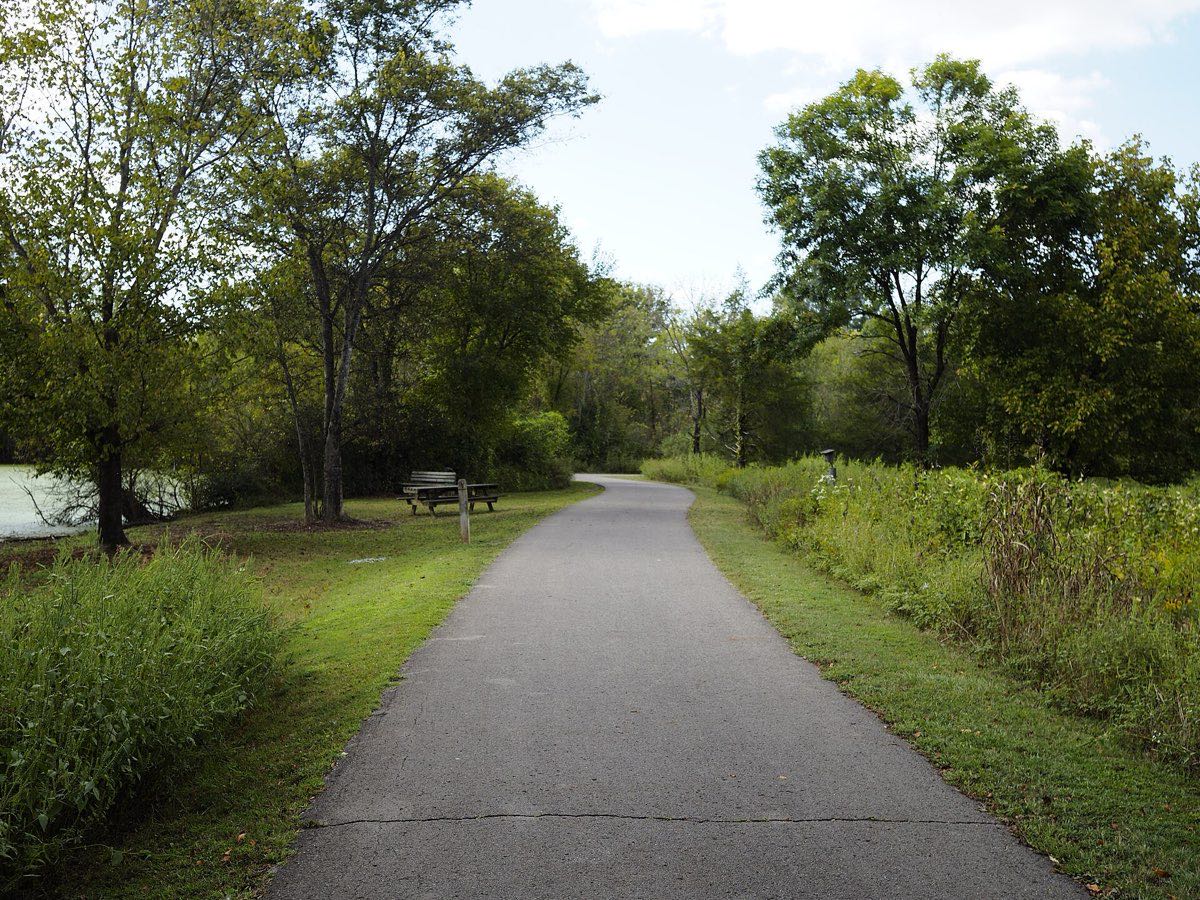
Nashville Home Buyer and Relocation Guides
Moving to Nashville: How to Choose Where to Live
The decision that shapes your first year here isn't which place you pick.
Read the guide
Buying a Home Around Nashville: What You're Actually Buying
The list price is the most visible number in a Nashville home purchase and the least informative one.
Read the guide
Cost of Living in Nashville: What It Really Costs in 2026
Nashville can still be more manageable than several larger cities, but it is no longer an inexpensive place to live.
Read the guide
Renting vs. Buying in Nashville: Which Is Better for You?
Renting is usually the safer choice if you are new to Nashville or may move within a few years.
Read the guide
Nashville Suburbs: How to Decide Where You Actually Want to Live
Nashville's suburbs sort themselves by corridor, not by ranking.
Read the guide
Franklin vs. Brentwood, TN: Which One Is Right for You?
Franklin and Brentwood are two of Nashville's most desirable suburbs, but they offer different versions of Williamson County living.
Read the guide
Living in Bellevue, Nashville: A Buyer's Neighborhood Guide
Bellevue gives buyers more house, more land, and more trees than most Davidson County neighborhoods closer to downtown.
Read the guide
Donelson–Hermitage, Nashville: More Room Without Leaving the City Behind
Donelson and Hermitage keep Nashville's practical advantages close together: the airport, the commuter train, Percy Priest Lake, and houses that still come with yards — all inside Davidson County.
Read the guide
Living in Nolensville, Tennessee
Nolensville trades two-lane roads and a car-dependent routine for newer homes and Williamson County schools at a lower typical price than Franklin or Brentwood.
Read the guide
Nashville Renter Resources
Renting comes with its own set of questions — how much cash you need up front, what landlords look for, and what to expect from the application. The complete guides are provided by our companion site, MyApartmentNashville.com. MyApartmentNashville.com is operated by the same publisher as Homes Around Nashville and promotes leasing at an apartment community on Nolensville Pike.
How to Rent an Apartment in Nashville
Applications, income requirements, deposits, and what to have ready before you apply — including renting without established credit or with an ITIN.
Read the guide
Full guide on MyApartmentNashville.com
How Much Money You Need to Move
First month's rent, deposits, application fees, utilities, and the real total it takes to get keys in hand in Nashville.
See the numbers
Full guide on MyApartmentNashville.com
Your Local Guide to Nolensville Pike
Groceries, restaurants, clinics, and everyday services along Nolensville Pike.
Explore the corridor
Full guide on MyApartmentNashville.com
Understand Everyday Life Before You Move
The right neighborhood is about more than the housing itself. These are the everyday factors that decide whether a place actually works for you — including how close you want to live to the reason everyone else visits.
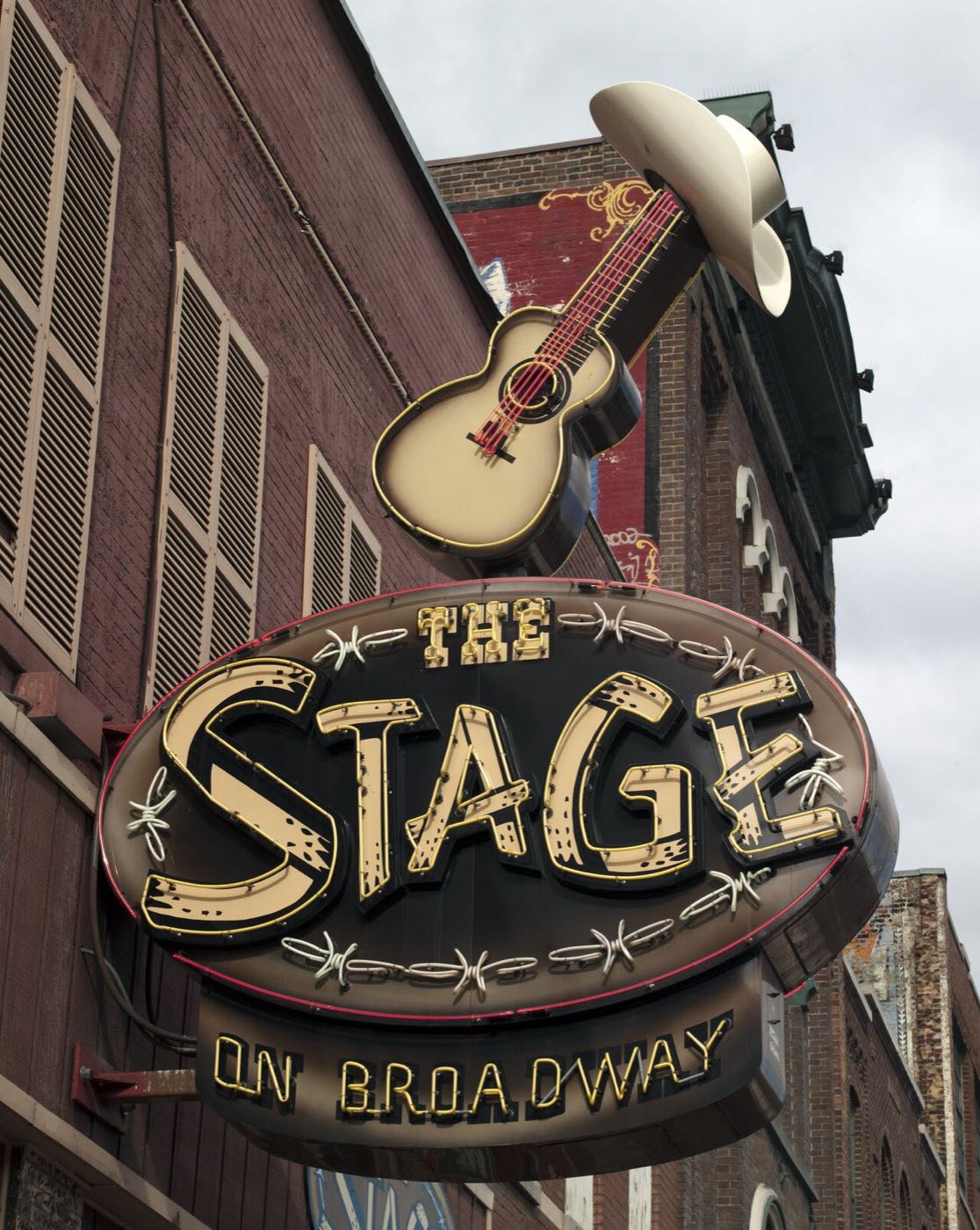

Restaurants & grocery stores
Grocery access varies more than newcomers expect. Urban neighborhoods lean on smaller stores; suburbs have the big-box options. International markets cluster along Nolensville Pike and Charlotte Pike.
Healthcare & community clinics
Nashville is a healthcare hub, with major hospital systems and a network of community clinics — including sliding-scale and multilingual options in South Nashville.
Parks & greenways
The Warner Parks, Shelby Bottoms, Radnor Lake, and the growing greenway system are free and heavily used. Which ones are close depends entirely on the neighborhood you pick.
Schools & childcare
School zoning drives many housing decisions here. Verify the assigned schools for any address with the district, and review the Tennessee Department of Education's State Report Card.
Commuting & transportation
Most of the metro is car-dependent. WeGo buses cover Davidson County with varying frequency, and the WeGo Star rail serves Donelson, Hermitage, and Mount Juliet.
Cost of living
Tennessee has no personal income tax, which offsets rising housing costs for many movers. Utilities, insurance, and property taxes vary by county — worth comparing before you choose.
Start With the Neighborhood
Tell us what matters most — budget, commute, space, schools, walkability, or access to daily essentials — and we'll point you toward the Nashville areas worth researching.